
Quarterly Newsletter
Something on my mind…
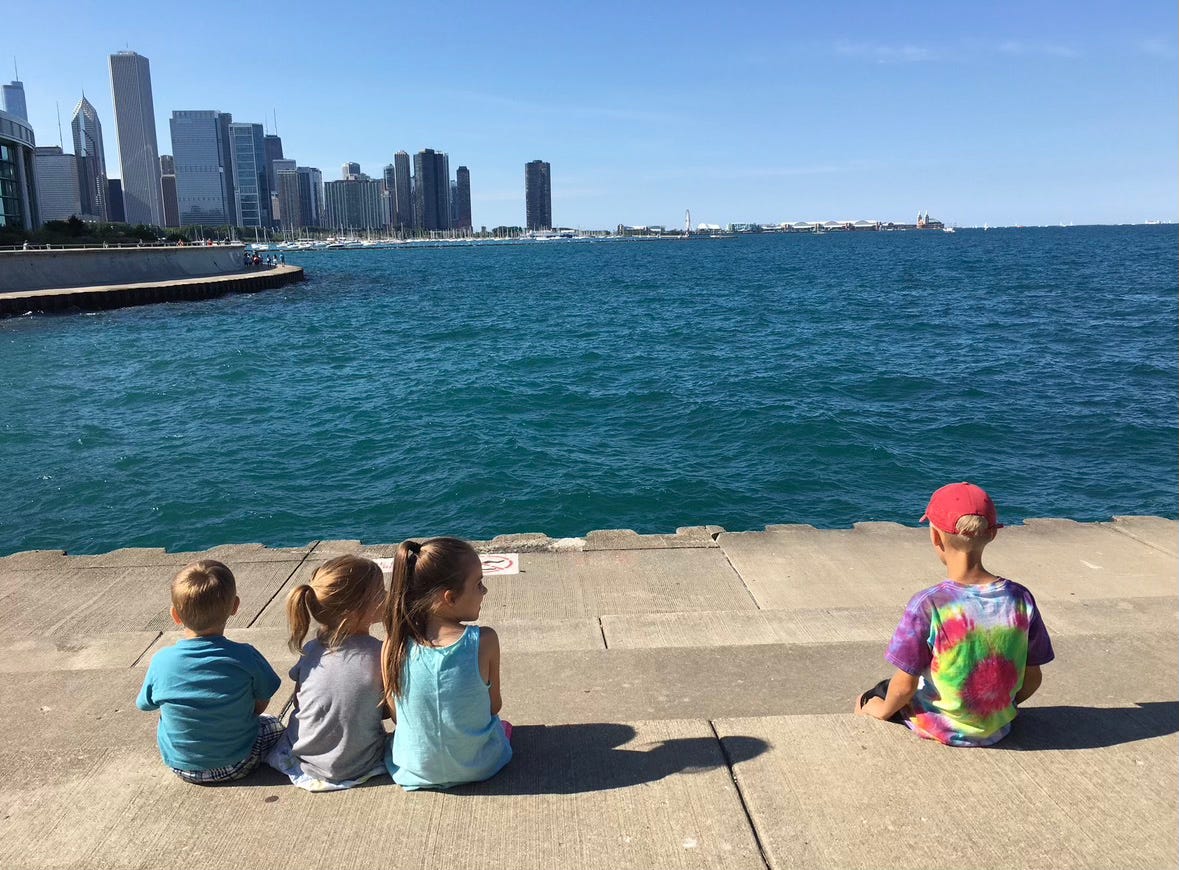
I recently shared about a painful season in our family, one where we needed to remove our child from our home for a time to get him the help he needed, both for his sake and the sake of our family.
It never ceases to amaze me how many people come out of the woodwork who do not know our family or situation, yet have a strong opinion on what our son has experienced or choices we’ve made.
It’s been a reminder of why the journey of childhood neurodivergence, mental illness, PANDAS, Neurologic Lyme, etc is such a lonely one.
Few have a framework for the painful realities, layered griefs, traumatic experiences, heart-wrenching decisions, and confusion families like ours have faced over the years. It strips you of confidence and breaks your heart, but quickly teaches you to sanitize the reality of your life for the sake of those around you. Why? Because most people don’t have a framework for it. They will either stare at you in awkward silence or will look at the challenges your child is showing and have an opinion on what the problem is—and therefore, the solution. Unlike a child with a visible disability that elicits compassion in the onlooker, a child who looks healthy but is suffering and reacting to a brain that’s on fire will often elicit judgement and assumption in spades. Sadly, this can be even more common in the church than anywhere else.
“Get control of that child.”
“I would never let my kid talk or act like that.”
“I can’t believe they would medicate their child—it’s just an excuse not to parent.”
“That kid just needs Jesus. Deal with the sinful heart and the behavioral/emotional challenges will dissipate.”
“They sent their child to one of those therapeutic places? No good parent would do that.”
Here’s the thing: raising children is hard work with no guaranteed outcome, regardless of the circumstances. Raising a child whose brain is atypical takes everything that once made sense to us and laughs in its face. And yet, the ones who have never experienced the complexities of such a journey are often the ones with the most answers and assumptions.
The irony is, we searched high and low, went to every kind of doctor, sought counsel in and out of the church, and our son still perplexed the brightest minds and most trusted Christian counsel. Why? Because the brain is profoundly intricate. The intersection of body, brain, and soul is fascinatingly complex. Our children do not just have a soul, they do not simply reside in a body, and they do not merely act and live according to the functions of a brain. It’s all three at once. And only God himself knows where one ends and another begins.
If this is the life you have lived or are living, you know the ambiguity of this kind of grief. You deeply grieve what your child is experiencing. You deeply ache for what your other children experience as a result. And you grieve how this journey has left its mark on your own physical and emotional state, while desperately trying to keep your heart soft toward the child whose challenges have been at the center of it.
On top of it all, you experience it all under the lonely cloak of misunderstanding. Everyone has an opinion these days, even when they have zero framework for what you are facing. And so, you learn to smile with a broken heart. You learn to swallow the presumptive comments and accusations and hide the worst of what you experience as you take the painful hits to protect your child and family from those who think they know…but really don’t.
Parenting in dark corners of neurodivergence or mental illness is agonizing. Even more, it’s profoundly isolating. But as we stand in these dark corners, willing to do anything and everything to help our child (and our other children who are impacted by it), we can know that God knows every single painful reality we are faced with. He knows our struggling loved one intimately and loves them as the Creator of their life. And he knows we don’t have all the answers. When others cast their opinions and judgements, we can hide ourselves in the shadows of God’s all-knowing, protective wings.
It may be lonely, but you are never truly walking it alone.
This is the main reason that I, along with my husband and son, are working on a book for parents who are navigating this difficult, lonely journey (coming fall 2027). I look forward to sharing more about it in the coming months.
What others see in fragments, God sees in whole. All he asks of you is to take one step at a time, trusting he will meet you there.
Home is around the corner,
Sarah
Something brewing…
For the future:
As I mentioned, I’m excited that we are in “round two” of edits for our forthcoming parenting book for those navigating the difficult road of neurodivergence or mental illness within their home. It’s been one of the most difficult things I’ve written, but at the same time, I’m more excited about this project than anything I’ve done in the past (which is saying a lot). Partially because this an aspect of our lives that has shaped me more than anything else, but mainly because our son is courageously stepping out of the shadows of shame to share some of what he’s experienced for the help and encouragement of others who are suffering as he has. I look forward to sharing the details in the near(ish) future! We would greatly appreciate prayers in the weeks and months ahead.
From the past few months:
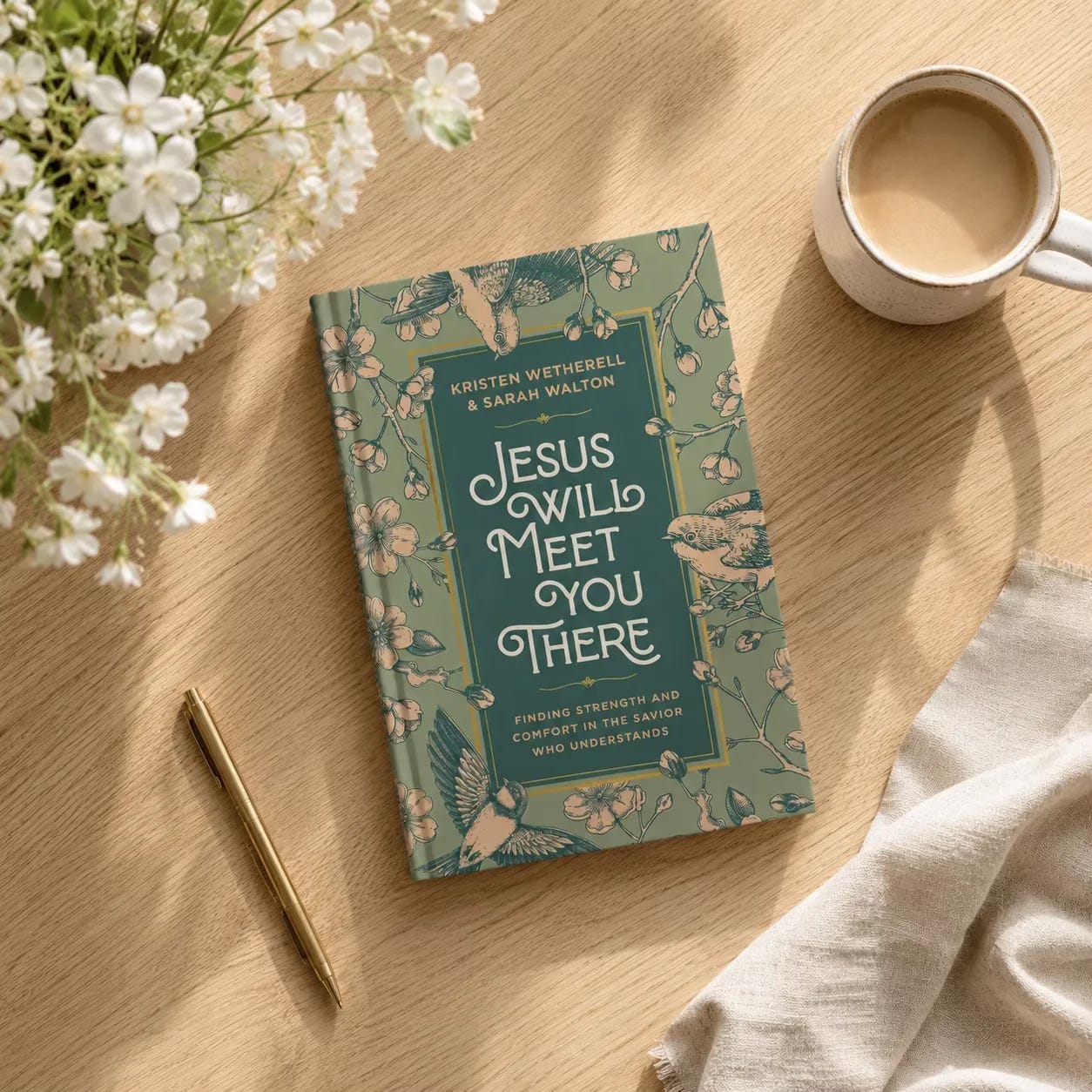
Jesus Will Meet You There made the ECPA’s September top 50 bestseller’s list for new releases. Kristen Wetherell and I are so grateful to those who have purchased a copy, left a review, or shared it with others in their life. We pray that it will continue to point people to the nearness of Jesus in all areas of their life.
Family Life Interview
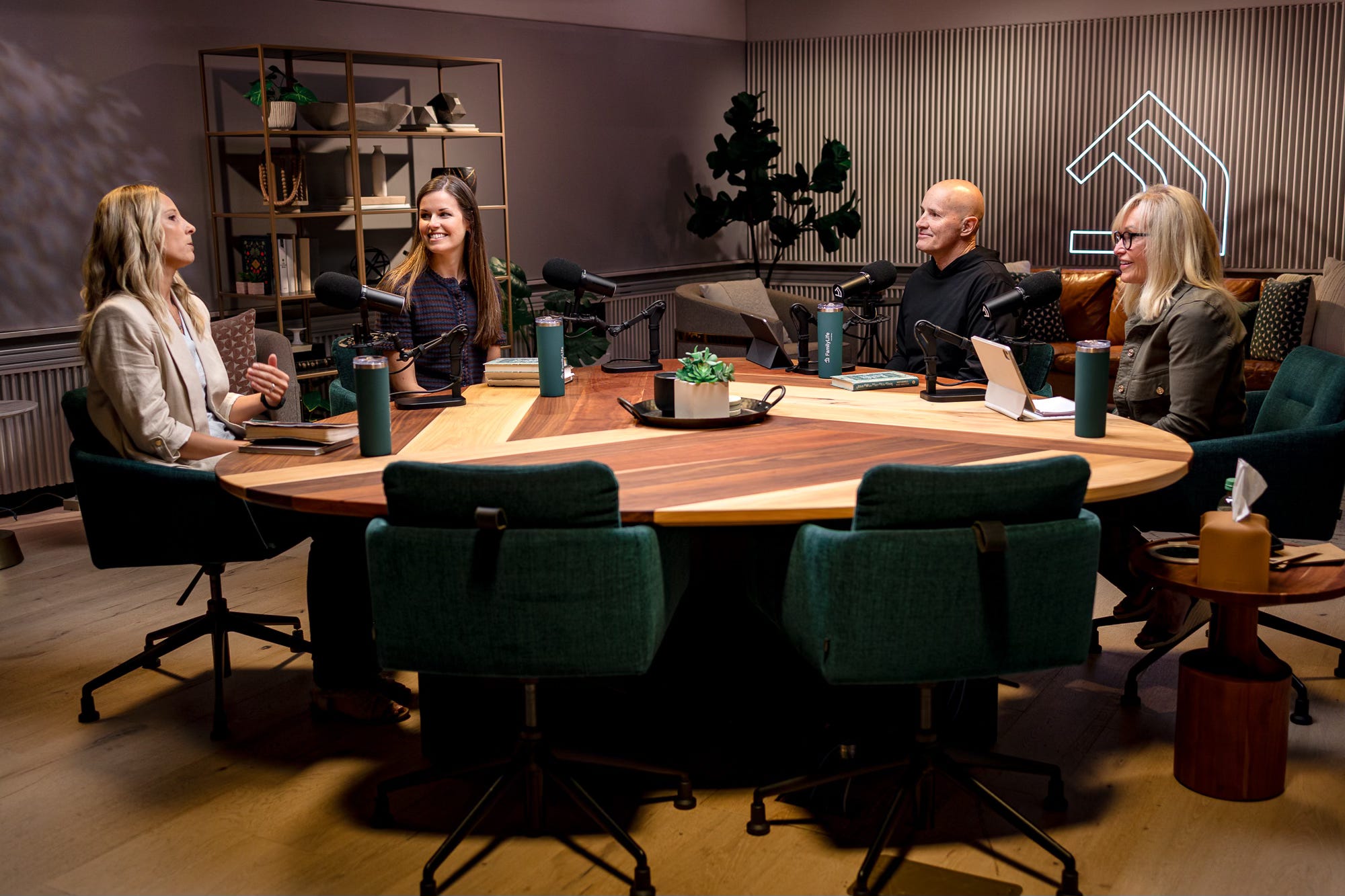
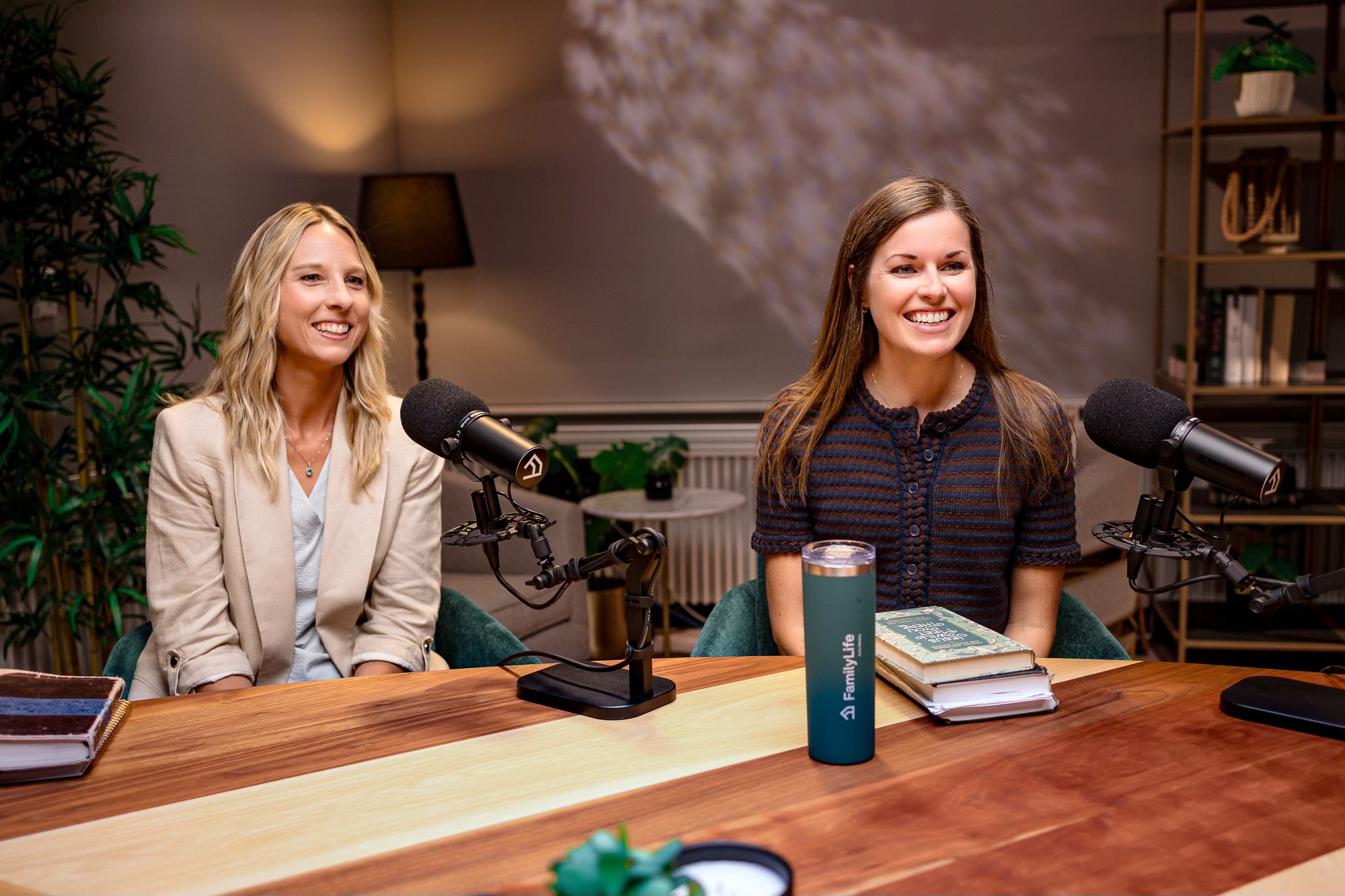
Kristen and I also had the joy of flying to Orlando to interview with Dave and Ann Wilson at Family Life Today. I look forward to sharing that interview when it releases sometime near the end of the year!
The Long Road Home Translations


It’s such a privilege to write, especially in the form of a book. There’s something special about seeing words on paper that won’t be swallowed up a change in the algorithm or the next piece of clickbait. But one of the greatest joys of book writing has been seeing that work translated into other languages. What a humbling thought to know that those words are now reaching people across the globe who I would struggle to communicate those truths to in person. For that reason, I was excited to hear that The Long Road Home was recently translated into Dutch and Hungarian! I pray it will help share the truth of God’s never-ending love to more children across the globe.
Something worth checking out…
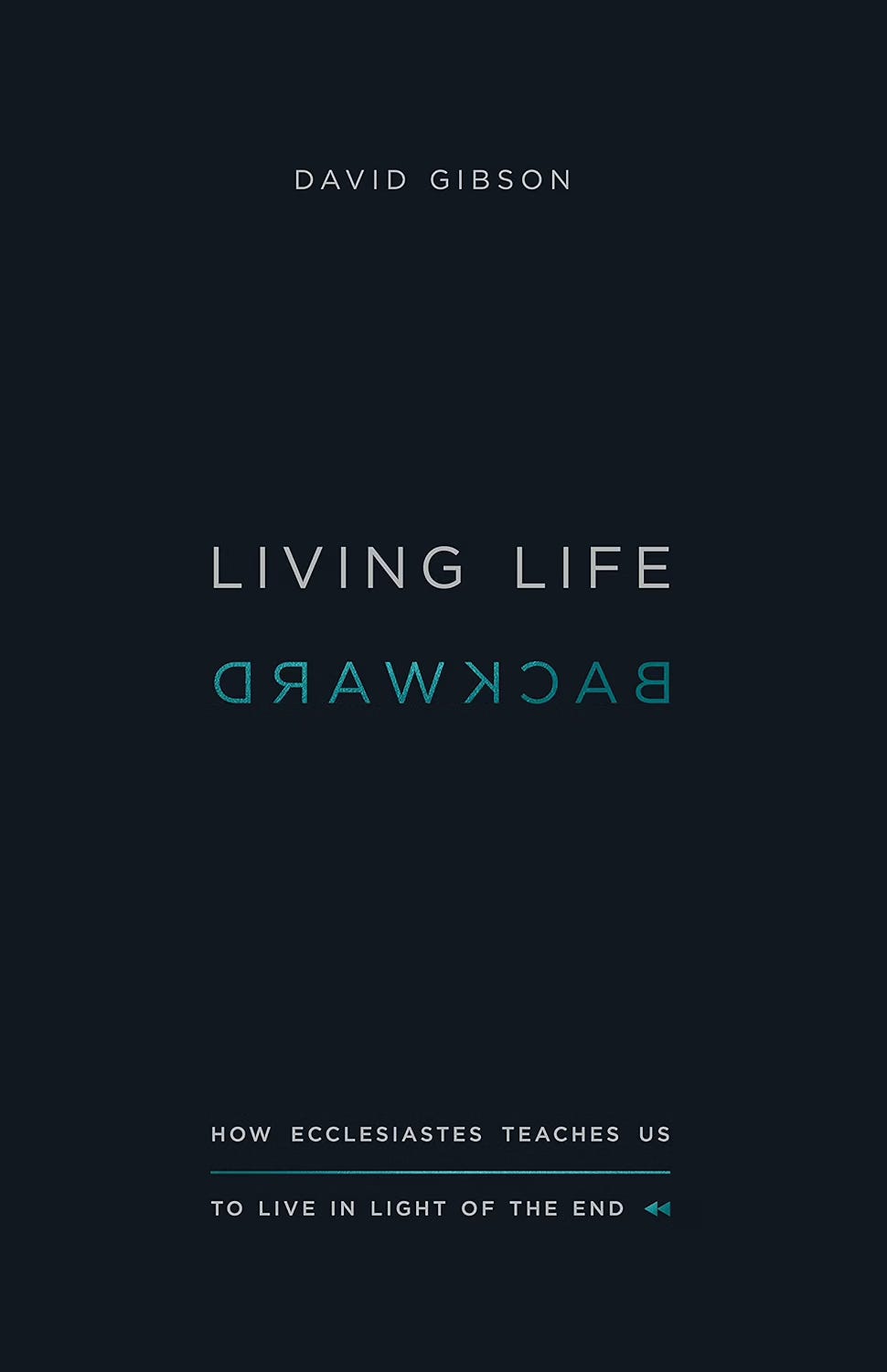
The past couple of months I have been slowly digesting David Gibson’s book on Ecclesiastes, Living Life Backward. I have to say it’s one of the most impactful books I’ve read in a long time. Maybe it’s because pain and physical decline have increased my awareness of death and a greater longing for the eternity that lies on the other side of it, but I think it’s something everyone would be helped by. I highly recommend it! Here are some of my favorite quotes so far:
“When we accept in a deep way that we are going to die, that reality can stop us expecting too much from all the good things we pursue. We learn to pursue them for what they are in themselves rather than what we need them to be to make us happy. Death reorients us to our limitations as creatures and helps us to see God’s good gifts right in front of us all the time, each and every day of our lives. Instead of using these gifts as means to a greater end of securing ultimate gain in the world, we take the time to live inside the gifts themselves and see the hand of God in them.”
“It is part of living well to accept two things: first, we are enclosed within time’s bounds, and, second, God is not. What we do comes and goes, but ‘whatever God does endures forever.’”
“Satisfaction lodges in my heart when I accept the boundaries of my creaturely existence and accept the seasons of my life as coming from his good and wise hands.”
“Stop thinking the future will be better and easier. Stop thinking that if only things were different you would be a better person and that one day you will be a better father. You do not know the future or what lies around the corner, whether good or ill. Perhaps these are indeed the very best days of my life. Maybe I’ll be dead tomorrow. Live the life you have now instead of longing for the life you. think you will have but which you actually cannot control at all.”
“The day of death is better than the day of birth—not because death is better than life; it’s not-but because a coffin is a better preacher than a cot. When life ends, or is about to end, absolutely everything else comes into focus. The things that don’t really matter, but which we gave so much time to, now seem so empty and pointless. The lives we touched and the generosity we showed and the love we gave or received now mean so much more. That’s what the Preacher is saying: a coffin preaches better sermons than a cot.”
“What does it mean to love life and the world if it’s passing away, and if I’m meant to enjoy God and live for Christ first and foremost? Let me say that the two things go hand in hand absolutely beautifully, and for this reason: in the created world, you can only truly enjoy what you do not worship.”
Something I’ve been enjoying…
As our kids have grown, so have the depth of conversations and the necessity to discuss increasingly difficult topics because of the world they are faced with everyday. Years ago, we used to do the typical “tell us a high or low from the day” to get conversation going. But in recent years, we started doing something called, “Agree or Disagree”. Essentially, we make a statement and each person goes around and answers whether they agree or disagree with the statement—and why. For example, “It’s never okay to miss church on Sunday morning for an activity” or “We should only listen to Christian music” or “Dogs are better than cats” or “Chick-fil-A fries are the best fast food fries.”; ) Some are more “gray area” issues and others are mere opinion. Some are more serious and some are funny or light-hearted. The kids will go around and state whether they agree or disagree with the statement, and briefly share why, before my husband and I will share our perspective (which we don’t always agree on!). We try to keep the dialogue free from “you’re wrong, I’m right” unless it’s a clear biblical command. The value of this is that it helps kids think for themselves, rather than simply being told what to believe. We have gone in waves in regard to how frequently we do this, but it’s been something I’ve really enjoyed and want to continue as the kids inch closer to adulthood.
Feel free to give it a try as a conversation starter for you and your family around the Thanksgiving or Christmas table this year!
With love,
Sarah
May you find the bottomless well of hope that is only found in Jesus Christ.


